
At a glance
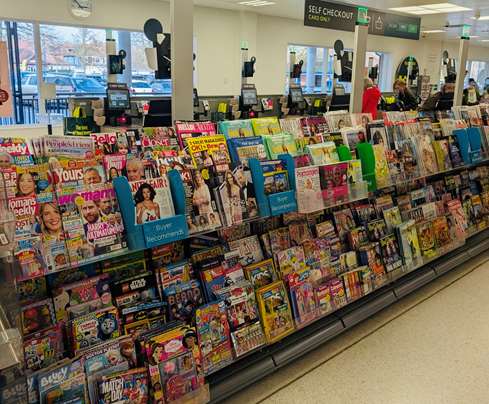
- Magazine display space is shrinking in supermarkets, stations and convenience retail.
- Less space → less discovery → fewer sales → further cuts.
- Visibility decline is not proof advertising is less effective.
- Retail absence reinforces “print is disappearing” bias in planning.
- Space loss is driven by labour, returns and low yield per metre.
- Different playbooks for chains, newsstands and specialist shops/bookshops.
Visibility isn’t effectiveness — but it gets mistaken for it
Print Power exists to make the case for the value of advertising in print media. That is an effectiveness question: what happens when an ad is actually seen and read.
The retail problem sits one step earlier. It is about availability and visibility at the point of sale: whether magazine brands are physically present, easy to spot, and easy to buy in the places people already visit. When in-store magazine display space shrinks, the market starts to blur two separate ideas. “Harder to find” becomes “less relevant”, and “less visible” quietly gets translated as “less effective”.
A clarification helps, because “reach” can mean different things. In media terms, reach is the number of people actually reached (subscribers, single-copy buyers and readership). This piece uses “visibility” to mean something simpler: how often a shopper is reminded magazines exist because they are there — on display, in view, available. Shrinking visibility can feed through into lower sales and, eventually, lower audience reach — but it doesn’t automatically say anything about what an ad does once it is in front of a reader.
That is the paradox: effectiveness can survive while visibility collapses. Advertising markets, being human, often treat what is visible as what is valuable